
The current debate between lithium batteries and LiFePO4 batteries for portable power stations:
LiFePO4 batteries are considered superior.
1. Concept
a. What is Lithium-ion?
In the portable energy storage industry, “Lithium-ion” usually refers to: NCM (nickel-cobalt-manganese) and NCA (nickel-cobalt-aluminum), rather than all lithium batteries.
b. What is LiFePO4?
Lithium iron phosphate (LiFePO₄) batteries are lithium-ion batteries that use lithium iron phosphate (LiFePO₄) and typically have a longer lifespan.
2. Advantages of LiFePO₄
a. Safer
High thermal stability
Less prone to thermal runaway
Less prone to ignition
Less prone to explosion
LiFePO4 under normal conditions: 270-350℃; NCM: 150-250℃.
b. Longer Cycle Life
LiFePO4: 2500-6000, 2500/3000 cycles to 80%; High-quality NCM: 1000-2000.
Under normal circumstances, if the cycle is repeated once a day, LiFePO4: 8-10 years or more; NCM: 2-4 years.
c. Applications of outdoor energy storage power supplies
For Outdoor camping, home backup power, motorhome (RV)
Long-term storage, emergency use, safer, long cycle life, strong deep discharge capability.
d. Depth of Discharge,DOD
LiFePO4: 90%-100%; NCM: 80%-90%
LiFePO4 is more suitable for frequent deep discharge.
e. Long-term storage capability
LiFePO4: Low self-discharge rate, better storage performance.
3. Current situation
Current portable outdoor energy storage power supplies, in pursuit of greater safety, longer cycle life, and a better user experience, are seeing a shift in the high-end energy storage market from lithium batteries to lithium iron phosphate batteries.
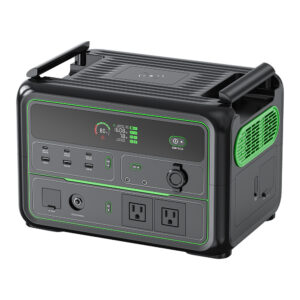
Therefore, starting in 2026, almost all mainstream portable energy storage products with a capacity of 1000Wh or more are shifting towards LiFePO4 solutions, while NCM is mostly retained in application scenarios that pursue lightweight design and high energy density.